Breaking Language Barriers: Revolutionizing Global Communication in Virtual Meetings
Introduction
Global collaboration is now standard across businesses, education, and remote teams. Yet one persistent issue still limits participation in virtual meetings: language barriers.
To solve this, I developed the Zoom Meeting Live Translation Captions System, a real-time multilingual captioning platform that makes virtual meetings more inclusive, understandable, and productive.
The goal was to enable participants to follow and contribute to conversations regardless of their native language, without disrupting existing Zoom workflows.
Project Overview
The platform was designed as an end-to-end translation layer for live virtual meetings. It captures speech, transcribes audio in real time, translates output into target languages, and renders live captions with minimal delay.
This project combined AI inference, cloud-scale architecture, and responsive frontend design to deliver production-grade performance in live communication scenarios.
The Core Challenge
Traditional meeting platforms provide strong video and collaboration features, but multilingual support often remains limited.
In practical terms, non-native speakers frequently struggle to:
- Fully participate in fast discussions
- Understand nuance in real time
- Share expertise with confidence
- Collaborate effectively across international teams
These communication gaps reduce meeting quality, slow decision-making, and can exclude valuable contributors from high-impact conversations.
Technical Innovation
Speech Recognition Layer
The system uses Whisper AI to transcribe spoken audio with high accuracy in near real time.
Key implementation details:
- Stream-optimized audio processing to reduce latency
- Speaker detection and differentiation for clarity
- Transcript normalization for cleaner translation input
Translation Engine
On top of transcription, I built an AI-driven translation pipeline that handles dynamic language flow in live meetings.
Capabilities include:
- Automatic language detection
- Context-aware translation logic
- Low-latency target-language caption generation
Cloud Infrastructure
The backend architecture was designed for reliability and elastic scale:
- AWS Lambda for serverless event-driven processing
- Amazon EC2 for compute-intensive workloads
- DynamoDB for low-latency session and caption data storage
This hybrid model balanced cost-efficiency with the performance requirements of real-time translation.
Frontend Experience
The user-facing interface was built with React and optimized for live caption readability and responsiveness.
Frontend priorities:
- Real-time caption rendering
- Clean multilingual display UX
- Responsive design for diverse device types
Key Technical Features
- Real-Time Processing: Sub-second translation and caption updates
- Scalable Architecture: Designed to support high concurrent meeting usage
- Broad Language Coverage: 50+ languages supported
- Zoom Integration: Seamless API-level integration with meeting workflows
- Resilience: Fault-tolerant error handling and fallback strategies
Development Process
Research and Planning
Before implementation, I focused on user needs and system constraints:
- Interviewed global and multilingual teams
- Evaluated existing translation tools and workflow gaps
- Defined success metrics for latency, accuracy, and usability
Iterative Implementation
The system was developed using agile two-week sprints with continuous validation:
- CI/CD for rapid and safe iteration
- Frequent code reviews for quality and maintainability
- Performance checkpoints for real-time behavior
Testing and Optimization
Given the real-time nature of the platform, testing was essential:
- Load testing under concurrent meeting scenarios
- User acceptance testing with multilingual participants
- Targeted performance tuning for latency and uptime
Results and Business Impact
The platform delivered measurable outcomes across accessibility and meeting efficiency:
| Metric | Outcome |
|---|---|
| Accessibility | Enabled stronger participation for non-native speakers |
| Meeting Efficiency | Up to 30% reduction in time spent clarifying language gaps |
| Adoption | Rolled out across 20+ organizations globally |
| User Satisfaction | 95% positive end-user feedback |
| Reliability | 99.9% uptime with sub-second caption latency |
These results demonstrate that real-time translation can improve both inclusion and operational productivity.
Technical Skills Demonstrated
This project required cross-functional engineering across AI, infrastructure, and product delivery:
- AI/ML implementation for live speech recognition and translation
- Cloud architecture design for scalable real-time systems
- React frontend development for usability under live conditions
- Backend services in Node.js and Python for orchestration and processing
- Complex Zoom API integration in a production workflow
- Performance optimization for low-latency user experience
Lessons Learned
Engineering Insights
- Real-time AI systems require strict latency discipline from day one
- Microservice-style boundaries improve maintainability and scaling
- Error handling quality directly impacts trust in live communication tools
Project Delivery Insights
- Iterative rollout reduced risk and accelerated feature validation
- User feedback shaped better prioritization than assumption-driven planning
- Documentation quality improved collaboration and onboarding speed
Future Enhancements
Planned improvements include:
- Custom translation models for domain-specific terminology
- Better handling of industry jargon and technical vocabulary
- Integration with additional conferencing platforms beyond Zoom
- Analytics dashboards for translation usage and language performance
Why This Project Matters
This system demonstrates how applied AI can solve a high-friction real-world communication problem at scale.
By combining real-time transcription, multilingual translation, and resilient cloud architecture, the platform helps organizations create more inclusive and efficient virtual collaboration environments.
Conclusion
The Zoom Meeting Live Translation Captions System represents a practical step forward in global communication infrastructure.
It enables broader participation, reduces language-driven meeting inefficiencies, and shows how modern AI and cloud technologies can be combined to deliver measurable value in everyday collaboration.
Related Projects
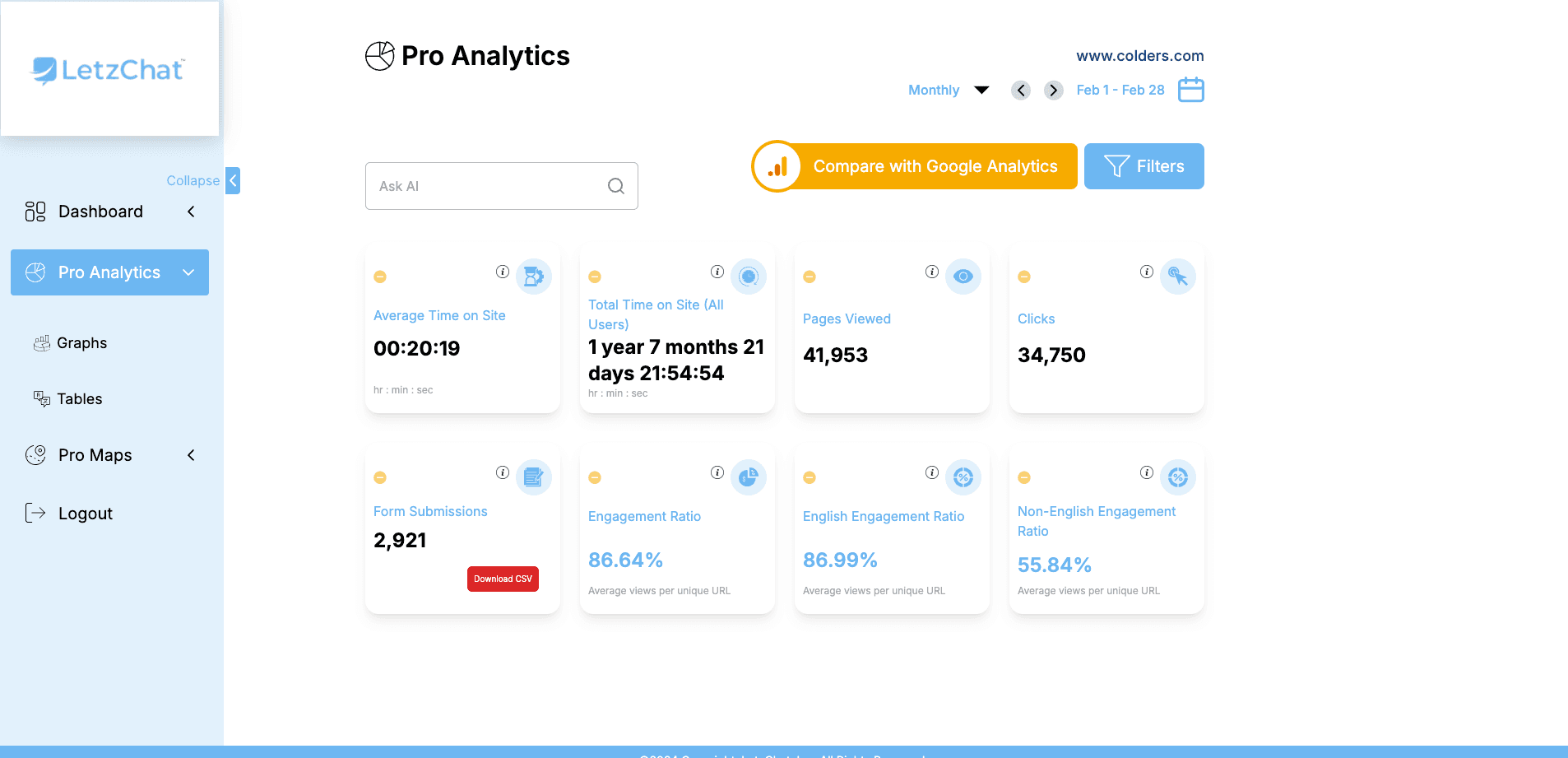
LetzChat – Enterprise Multilingual Translation & Communication Platform
Complete enterprise translation ecosystem — featuring real-time analytics (300M+ events/month), AI-powered chat, voice/video dubbing, live call translation, podcast/Zoom integration, glossary management, subtitle generation, and comprehensive analytics — breaking language barriers across all communication channels.
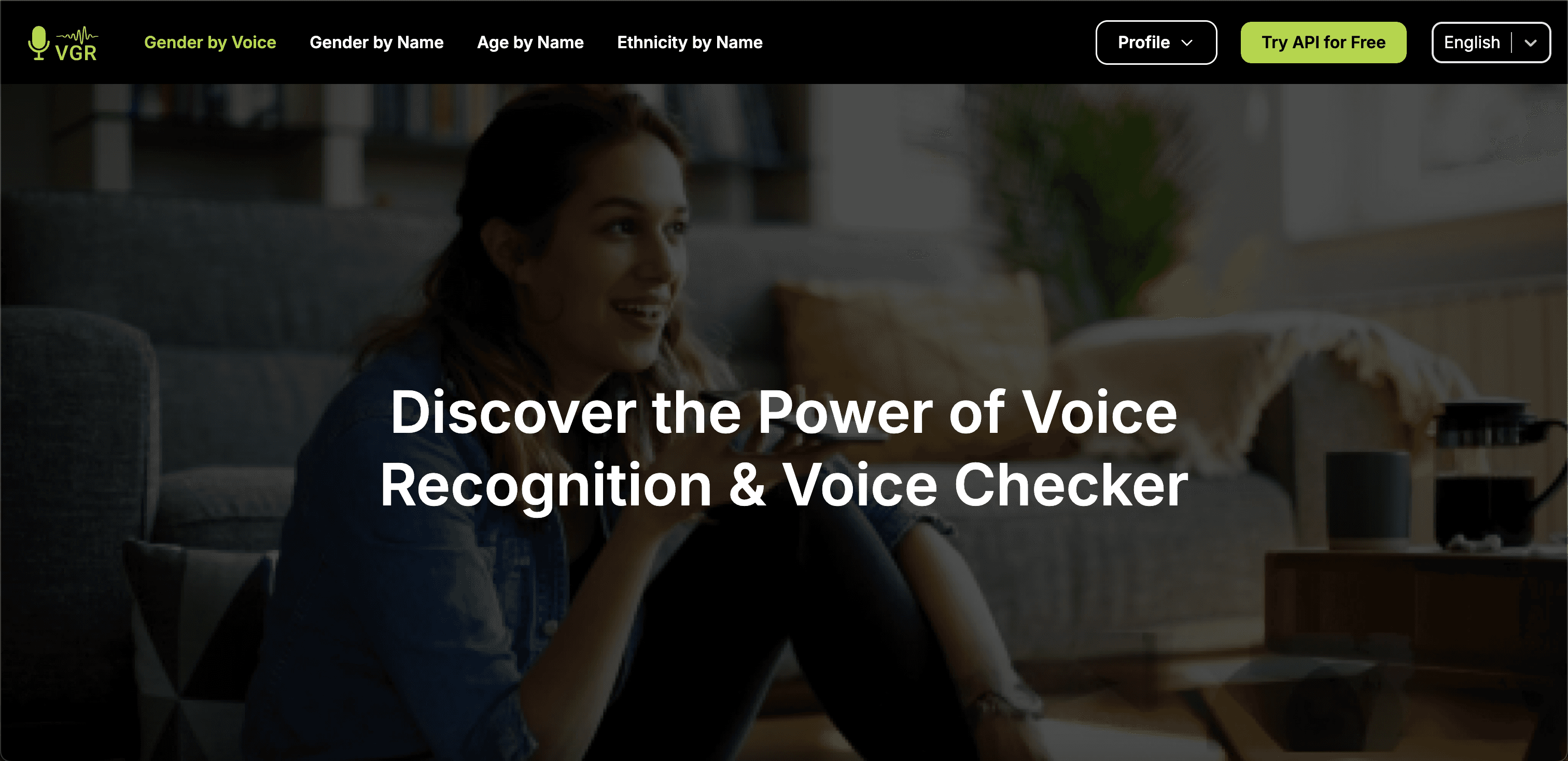
GenderRecognition.com: AI-Driven Gender Detection Solutions
State-of-the-art AI-powered gender detection platform processing images, videos, text, and voice data in real-time — built with privacy compliance, bias mitigation, and enterprise-level scalability. Includes comprehensive admin panel managing 2,800+ users and 33,000+ API calls.

AI Calling Agent with Admin Dashboard for Doctors
AI-powered healthcare communication platform combining an intelligent voice bot with an admin dashboard for appointment workflows, campaign control, and real-time call analytics.
Related Articles
CASA App: A Revolution in Multilingual Social Networking
A case study on CASA App, a real-time multilingual social platform built with Node.js, Socket.io, React, and AWS to enable seamless cross-language communication.
Unite: Breaking Language Barriers Through Real-Time Translation
A technical case study on Unite, a real-time multilingual communication platform that enables live presentations and audience participation across different languages.
Video Dubbing and Voice Cloning System: AI-Powered Content Localization
A case study on building an AI-powered video dubbing and voice cloning platform that translates content across languages while preserving speaker identity, emotion, and lip-sync quality.